Living with a traumatic brain injury (TBI) can bring on intense feelings of frustration as navigating life may be significantly more challenging than it was before the accident. Individuals must navigate several life changes to improve their cognitive health and bolster inner strength. Life can be challenging after undergoing a traumatic brain injury. Fortunately, participating in outpatient therapyin recovery at Renaissance Ranch can help one gain a better quality of life. It can be tough for one to stay dedicated to aftercare services but there are endless benefits one may gain from steadfast commitment to ongoing care.
What Is a Traumatic Brain Injury?
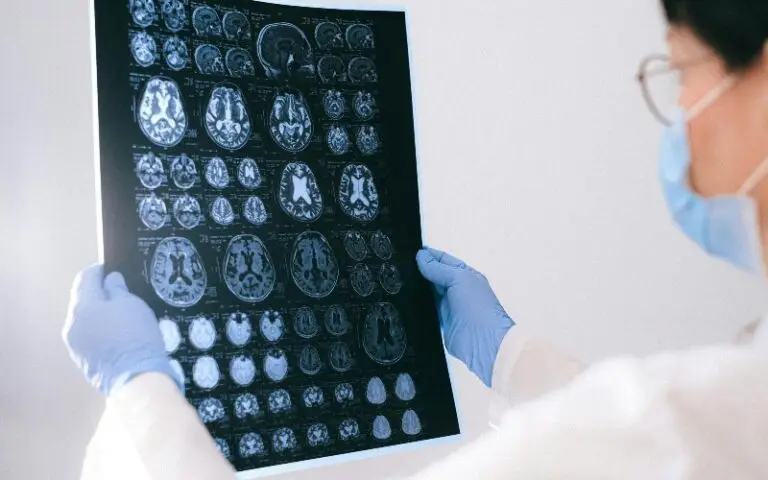
According to the Michigan Department of Health & Human Services, atraumatic brain injury can be defined as a blow, jolt, or even bump to an individual's head. A TBI can be mild to severe. If one endures a penetrating head injury, their brain and nervous system may significantly be impaired. Depending on the severity of an individual's TBI, they may experience either a brief change to their consciousness or mental status or face challenges with severe damage. For example, one may slip into a coma or develop amnesia directly after suffering the injury.
A TBI typically requires long-term care support and can result in lifelong impairment. Falls, blunt trauma accidents, drowning, auto accidents, violence, and explosions can result in a TBI. Different cases that can lead to a tragic brain injury include experiencing:
Stroke
Asphyxiation
Concussion
Hematoma
Brain tumor
Skull fracture
How Does Life Feel After Experiencing a Traumatic Brain Injury?
A traumatic brain injury can negatively interfere with an individual's ability to function on a day-to-day basis. According to the National Institute of Neurological Disorders and Stroke, a TBI can either cause temporary problems permanent disability, or in some cases even death. For example, one may struggle to process their thoughts, engage in movement, comprehend or retain new information, or communicate with others. A brain injury results from areactive process that happens after the accident.
Some injuries are classified as primary. In other words, the damage is instantaneous. A secondary TBI is an injury that causes gradual damage ranging from hours to weeks after one's injury. It can be tough to live with the effects of a brain injury. Depending on the severity of one's injury, they may undergo various life changes. Life after a traumatic brain injury can be unpredictable in its outcomes. Traumatic brain injury symptoms can cause several changes including:
Cognitive changes – Problems with memory, learning, concentration, judgment, and more
Emotional changes – Problems with mental health such as anxiety, depression, anger, aggression, and more
Physical changes – Problems with migraines, insomnia, vision, sensations, and more
Relationship changes – Problems adjusting to societal, family, and social changes
Routine changes – Problems adjusting to a new schedule that has been affected by their TBI
What Is Outpatient Therapy?
Life can seem very different after undergoing a traumatic brain injury. Knowing that a TBI can significantly interfere with various aspects of one's life, participating in outpatient therapy can help. Inpatient rehab or hospitalization requires persistent monitoring whereas outpatient therapy provides much more flexibility. This type of psychotherapy allows one to balance their professional career, academic tasks, and relationships with treatment. Outpatient therapy can help address a wide variety of problems such as co-occurring addiction, mental health conditions, and other behavioral health issues. Different types of outpatient care services typically include:
Individual therapy
Group therapy
Family therapy
Couples therapy
12-Step
Medication and relaxation
Motivational interventions
Relapse prevention
The Importance of Attending Outpatient Therapy for a Traumatic Brain Injury in Recovery
Even with the flexibility that outpatient therapy provides, even the most motivated individuals may find it difficult to stay on track while in recovery. Recovering from a traumatic brain injury both mentally and physically requires hard work. Learning to adjust to lifestyle changes can be quite challenging. Neglected physical and mental health can lead to substance abuse. Drugs and alcohol are known to slow recovery and increase the risk of re-injury. Therefore, it is critical for one who is living with a TBI to stay dedicated to outpatient therapy while in recovery. Benefits that can come from attending steadfast commitment to outpatient therapy at Renaissance Ranch include:
Therapeutic assistance transitioning into a normal way of living
Cost-effectiveness
Individualized care
Peer support
Access to further support systems
Holistic treatment
Self-Help Strategies to Stay Dedicated to Ongoing Care With a Traumatic Brain Injury
Knowing it can be tough for some individuals facing problems with a TBI to remain dedicated to ongoing care, professional, family, and peer support is a critical component to sustaining mental stability. Incorporating self-help strategies as needed into one's daily routine can significantly enhance one's recovery outcome. Tips to maintain outpatient therapy include:
Setting achievable goals
Engaging in self-care practices; eating a nutritious diet, getting good sleep, meditating
Practicing gratitude daily
Developing a strong support system for encouragement
Participating in sober activities with loved ones
Reporting new symptoms or concerns to gain the most benefit from treatment
Reaching out for additional support
**Reaching out to patients with our unique treatment methodology has made Renaissance Ranch Outpatient the foremost authority in outpatient addiction recovery in Utah. By concentrating our healing efforts on not just the physical aspect of treatment but on the spiritual side as well, we help a person's mind and body recover and overcome various health conditions. From the moment each of our clients makes the initial call to get treatment, we put them on a roadmap that leads them from detoxification to inpatient rehab, to continuing care, and all the way through to an honored place in our sober alumni network. Call us at (801) 308-8898 to gain more information on how our outpatient aftercare services can help. **