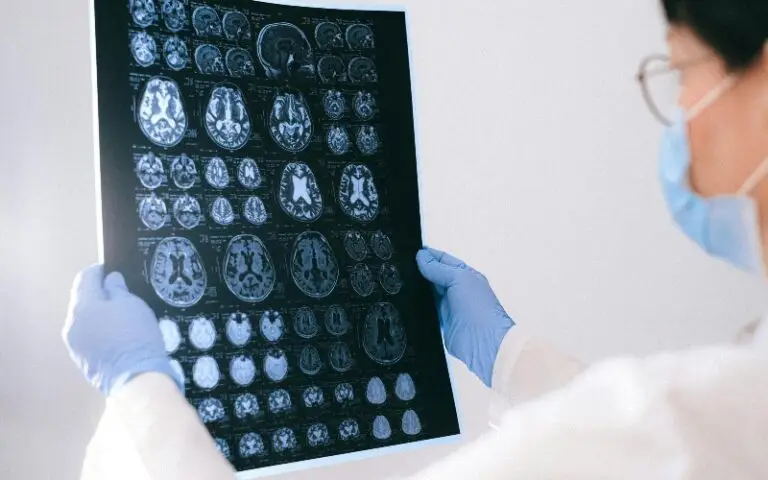

Addiction affects more than your emotions and behaviors. It also changes the brain's reward system, stress response, and dopamine regulation over time. At Renaissance Ranch, we believe recovery involves healing the mind, body, and spirit together. Spiritual practices like prayer, meditation, mindfulness, and reflection are often viewed through an emotional or religious lens. Still, research also shows they can support neurological healing by reducing stress, improving emotional regulation, and helping the brain recover from the effects of substance use.
How Addiction Changes the Brain
Addiction affects several areas of the brain, especially those connected to reward, motivation, memory, and decision-making. Dopamineplays a major role in this process. Often called the brain's 'reward chemical,' dopamine helps reinforce behaviors that feel pleasurable or meaningful.
Substances like alcohol and drugs can cause unusually large dopamine surges. Over time, the brain adapts by reducing its natural dopamine sensitivity and production. This can leave you feeling emotionally numb, unmotivated, anxious, or unable to experience pleasure from everyday life during early recovery.
Addiction can also impact:
Emotional regulation
Impulse control
Stress response systems
Sleep patterns
Concentration and memory
The ability to experience connection and joy
These changes are not signs of weakness or failure. They are part of the physical impact addiction can have on the brain and nervous system.
The Brain's Ability to Heal
One of the most hopeful aspects of recovery is neuroplasticity, which is the brain's ability to adapt, repair, and form new pathways over time. While healing does not happen overnight, the brain can achieve significant recovery when supported by healthy routines and consistent treatment.
This is where spiritual practices can become surprisingly important from aneurological perspective.
Practices like meditation, prayer, breathwork, gratitude, and mindfulness can help calm the nervous system and reduce chronic stress activation. Studies have shown these practices may help lower cortisol levels, improve emotional regulation, and strengthen areas of the brain associated with self-awareness and decision-making.
Over time, this can support the healing process by helping your brain spend less time in survival mode and more time in a regulated, balanced state.
Prayer, Meditation, and Dopamine Regulation
Many people in recovery describe moments of peace, connection, or clarity during prayer or meditation. While these experiences can feel deeply personal or spiritual, they also involve real neurological processes.
Meditation has been associated with increased activity in brain regions linked to attention, emotional regulation, and self-control. Some research also suggests mindfulness practices may support healthier dopamine regulation by helping the brain respond more steadily to everyday rewards rather than constantly seeking intense stimulation.
Prayer and spiritual reflection may also help reduce feelings of isolation, hopelessness, and emotional distress. When you feel connected to something larger than yourself, whether through faith, community, purpose, or meaning, it can create emotional stability that supports recovery.
This does not mean spirituality instantly fixes the brain. Recovery is still a gradual process that involves therapy, accountability, structure, and support. However, spiritual practices can become part of a larger healing framework that supports both emotional and neurological recovery.
Why Stress Reduction Matters in Recovery
Chronic stress can make recovery significantly more difficult. When your nervous system remains in a constant state of tension or emotional overload, cravings and impulsive behaviors may feel stronger.
Spiritual practices often encourage stillness, reflection, gratitude, and grounding. These experiences can help activate the parasympathetic nervous system, sometimes called the body's 'rest and repair' mode. This state helps slow heart rate, regulate breathing, and reduce the intensity of the body's stress response.
Over time, learning how to calm your nervous system can improve:
Emotional resilience
Sleep quality
Focus and concentration
Impulse control
Ability to tolerate discomfort
Overall mental clarity
At Renaissance Ranch, we understand that recovery is not only about avoiding substances. It is also about learning to live, respond, and care for yourself differently.
Spirituality and Meaning in Recovery
Many people enter treatment feeling disconnected from themselves, others, or any sense of purpose. Addiction often narrows life down to survival, secrecy, and emotional exhaustion. Part of healing involves reconnecting with meaning again.
Spiritualityin recovery does not always look the same for every person. For some, it may involve organized faith and prayer. Others might integrate meditation, nature, community, service, or personal reflection. The goal is not perfection or rigid belief systems but to create space for hope, connection, and personal growth.
When you begin building a life centered on purpose and emotional health, the brain gradually learns to seek fulfillment from healthier experiences rather than substances.
Recovery Involves the Whole Person
Healing from addiction is not only emotional or behavioral. It is biological, psychological, relational, and spiritual. The brain needs time and support to recover from the effects of substance use, and practices that promote calm, connection, and self-awareness can play a meaningful role in that process.
At Renaissance Ranch, we take a holistic approach to treatment that recognizes the connection between neuroscience and spirituality. We believe recovery involves more than stopping substance use. It involves helping you rebuild your mind, strengthen your emotional foundation, and reconnect with a sense of meaning and purpose.
Over time, small daily practices can support profound change. Moments of reflection, prayer, mindfulness, and connection may seem simple, but they can become part of the steady healing process that helps both the brain and spirit recover together.
At Renaissance Ranch, we understand that recovery involves more than breaking physical dependence. It also means rebuilding emotional balance, restoring hope, and supporting the healing of the brain and spirit together. Through evidence-based care, spiritual support, and compassionate guidance, we can help you develop the tools needed for lasting recovery and personal growth. Whether you are struggling with addiction yourself or watching someone you love suffer, you do not have to navigate this process alone. Contact Renaissance Ranch today by calling (801) 308-8898 to learn more about our treatment programs and how we can help you begin building a healthier, more meaningful future grounded in connection, healing, and long-term recovery.